Many Toronto and GTA facility managers already have cameras and NVRs on site but still need a reliable way to monitor incidents, verify alarms and coordinate responses. This guide explains commercial video monitoring services Toronto businesses use—how 24/7 remote CCTV monitoring works, what integration and privacy considerations matter, and how to choose a provider that fits your property type and operational needs.
What commercial video monitoring is and why Toronto businesses use it
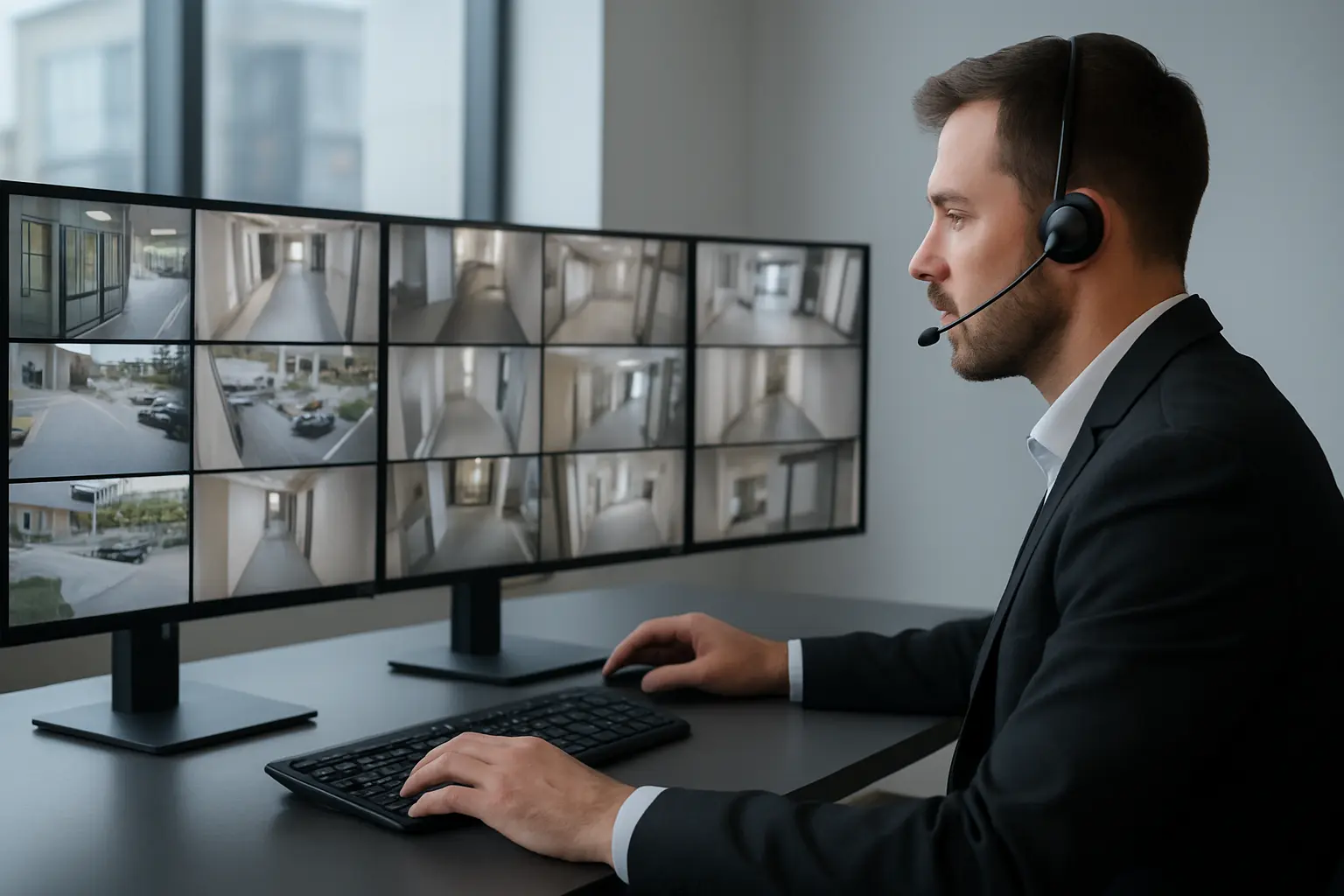
Commercial video monitoring is a managed service where trained operators or event-driven systems watch live or recorded camera feeds, confirm incidents, and follow defined escalation procedures. Businesses in retail, multi‑tenant buildings, industrial sites and parking facilities in the Greater Toronto Area use these services to reduce loss, ensure verified alarm responses and maintain continuity of offsite staffing without adding local headcount.
Types of video monitoring services
Live operator monitoring
Operators view live camera streams in real time and can follow escalation procedures when they observe unauthorized access, vandalism or other incidents. This approach is useful for high-risk sites or locations that require immediate human judgment.
Event-triggered and AI-assisted alerts
Many providers combine motion analytics, intrusion detection and object-based rules to generate event alerts. AI can filter obvious false triggers (e.g., small animals or weather) so operators see only likely incidents to verify.
Alarm verification
CCTV alarm verification links your alarm system to monitoring operators. When an alarm triggers, operators check camera views and confirm whether a genuine event is occurring before escalating to responders, reducing false dispatches.
Scheduled patrol reviews
For larger properties, scheduled desk-side or automated patrols of camera footage at set intervals provide regular checks without continuous live viewing.
How monitoring integrates with CCTV, NVRs and access control
Integration is both technical and procedural. Technically, monitoring can receive live RTSP/H.264 or H.265 streams from cameras or NVRs, or use secure VPN/bridge connections for remote viewing. Access control events (door forced open, tailgating) are routed into the same monitoring platform so operators can correlate video with events. Workflow design defines who is notified, which cameras they view, and the steps taken for verification and escalation.
Benefits for Toronto and GTA businesses
- Verified incidents reduce false police dispatches and improve response prioritization.
- Documented video evidence supports internal investigations and insurance claims.
- Offsite staffing provides consistent coverage overnight, on weekends and during holidays.
- Integrated monitoring with access control helps stop unauthorized access across multi‑tenant and retail sites.
Key technical requirements before engaging a provider
- Camera coverage and image quality: ensure important access points, loading docks and storefronts are within view and meet low‑light requirements.
- Network bandwidth and latency: verify upstream capacity for simultaneous streams and consider edge recording if bandwidth is limited.
- Secure remote access: use encrypted links and account controls to limit provider access to only what’s needed.
- Retention and storage options: confirm where verified clips are stored, for how long, and how to export evidence.
Compliance and privacy considerations for Toronto businesses
Operators must follow local privacy rules and building agreements. Provide clear recording notices in public areas, define data retention policies, and coordinate with property managers and tenants before enabling continuous monitoring of shared spaces.
False alarms, alarm verification and coordination with responders
Ask prospective providers about their verification protocols and how they coordinate with Toronto and GTA emergency services. Expect staged escalation: operator verification, on‑site contact (security guard or manager), then police dispatch if required. Clarify response times, who is contacted first, and how documented evidence is delivered to responders.
Procurement checklist and vendor evaluation criteria
- Service-level expectations: monitoring hours, response workflows and reporting cadence.
- Escalation paths and local contacts for outages or urgent events.
- Integration capabilities with existing NVRs, camera brands and access control systems.
- Cybersecurity measures: encrypted streams, account controls and regular audits.
- Reporting and evidence access: clip export, chain-of-custody notes and incident logs.
Deployment and onboarding steps
Typical steps include a site survey, network and camera verification, defining event rules, connectivity tests, operator training on site-specific procedures, and a pilot period to tune alerts and reduce false positives.
Common pricing models and cost factors
Providers price monitoring based on number of cameras, monitoring level (continuous vs. event-driven), alarm verification services, complexity of integrations and any added response or concierge actions. Request quotes that separate installation, recurring monitoring and optional response services so you can compare total cost of ownership.
Is managed monitoring right for your team?
Managed monitoring suits sites that need 24/7 coverage without hiring staff. In‑house monitoring may work if you already have trained personnel and secure network capacity. Evaluate operational priorities, liability exposure and staff availability when deciding.
Local considerations and typical Toronto use cases
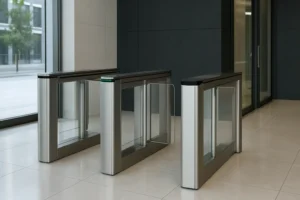
Common scenarios include multi‑tenant lobby monitoring, retail storefront deterrence and verified alarm response for parking lots and loading docks. Each location has unique sightlines and privacy needs—plan camera placement and notice signage accordingly.
Frequently asked questions
Bandwith needs vary by resolution and number of simultaneous streams—confirm with a provider during the site survey. Latency should be low enough for real‑time verification; providers can test during onboarding. If you use an existing NVR, ask about supported integration methods and whether the provider requires direct camera access or NVR feeds.
360 IT Advanced Security provides commercial video monitoring services in Toronto and the GTA tailored to your existing CCTV and NVR environment. Our team performs site surveys, configures secure remote access and documents verification workflows so monitoring fits your operations and compliance needs.
Ready to evaluate monitoring for your property? Contact us to arrange a site survey or demonstration.