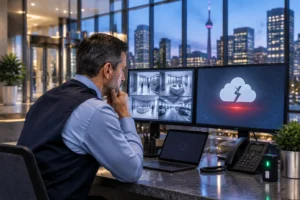
Businesses implement live video monitoring toronto systems by assessing site risks, installing high-definition cameras, and connecting them to remote operators. This proactive setup detects intrusions immediately and allows for real-time intervention to prevent property damage and theft.
Assessment of Site Vulnerabilities
Every commercial facility has unique security challenges. Property managers must inspect perimeter fences, loading docks, entry points, and dimly lit outdoor spaces. These locations attract unauthorized individuals after normal working hours.
Identifying high-risk zones helps determine camera placement. Clear visibility across all blind spots ensures that security operators can spot trespassers quickly. A thorough assessment creates the foundation for a reliable protection plan.
Essential Equipment for Live Video Monitoring Toronto
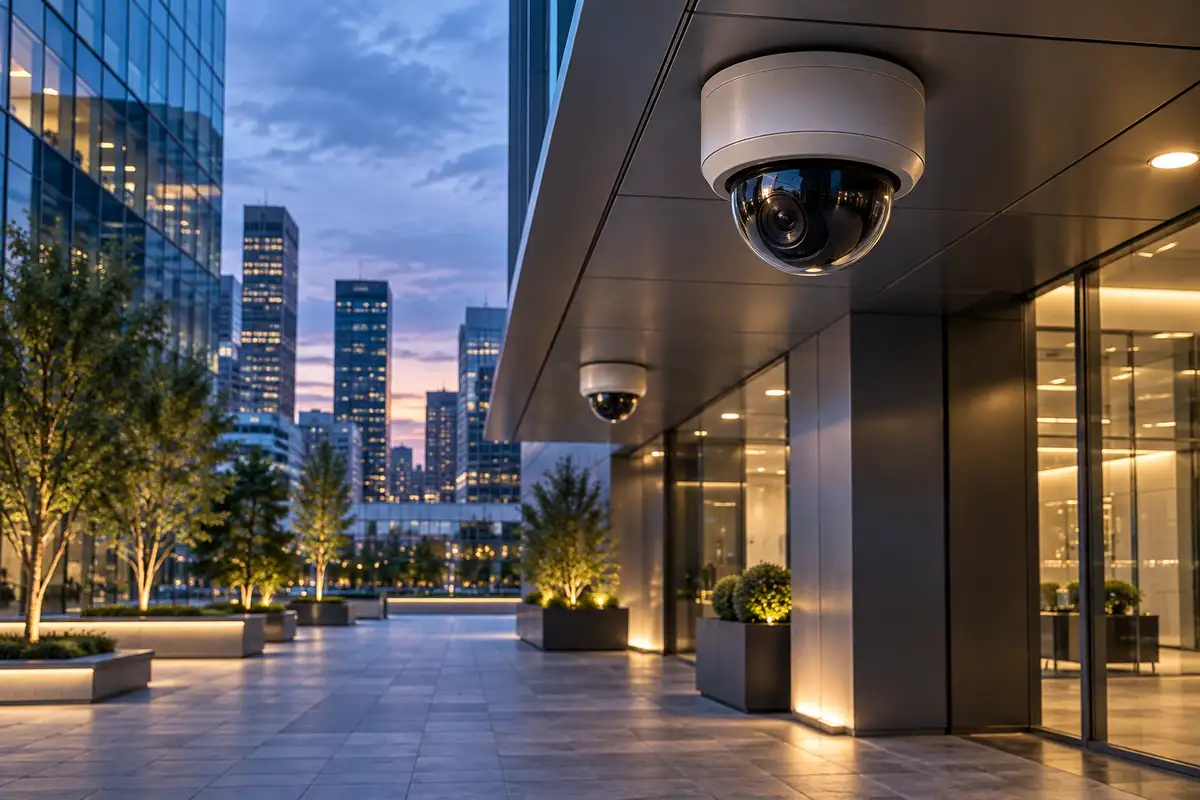
Modern surveillance requires reliable hardware. Outdoor cameras must withstand harsh winter weather, heavy rain, and freezing temperatures without losing image clarity.
High-definition optical lenses and night vision capabilities are necessary for nighttime surveillance. In addition, two-way audio speakers allow off-site operators to communicate directly with intruders. Reliable power backups and internet connections keep the system running during outages.
Establishing Clear Response Protocols
Monitoring teams need detailed instructions for different security scenarios. When a camera detects an unexpected visitor, operators must know whether to issue an audio warning or notify local police immediately.
Clear escalation rules reduce confusion during an incident. Property managers can define specific contacts for maintenance emergencies, after-hours staff access, and suspected criminal activity. Well-defined protocols ensure rapid and consistent responses.
Common Setup Mistakes to Avoid
Poor camera angles often lead to ineffective surveillance. Positioning cameras too high can make it impossible to identify facial features or vehicle details during an investigation.
Neglecting internet bandwidth is another frequent error. Live streaming multiple high-resolution video feeds requires stable network speeds. Facility managers should test connection limits before activating the complete surveillance network.
Frequently asked questions
What happens when an intruder enters the property?
Remote operators see the trespasser on the screen immediately. They can activate live voice warnings through on-site speakers or dispatch local emergency responders right away.
Can these systems operate during severe winter weather?
Weatherproof equipment functions effectively in freezing cold, snow, and rain. Heated enclosures and durable camera housings keep lenses clear throughout the winter.
How does remote monitoring differ from standard alarm systems?
Standard alarms only sound after a door or window opens. Remote surveillance detects unauthorized people at the perimeter before any physical damage or entry takes place.
Are audio talk-down speakers necessary for every facility?
Voice speakers provide an effective way to warn trespassers that they are watched. Many unauthorized visitors leave immediately after hearing a live voice announcement.
Summary
Deploying proactive surveillance involves identifying weak perimeter spots, selecting weather-resistant cameras, and setting response rules. This strategy stops trespassing and keeps commercial facilities safe.