Co‑working operators in Toronto face a unique set of security challenges: mixed public and private use, high turnover of members and visitors, 24/7 access needs, and expectations that technology will integrate with booking and billing systems. A practical co-working space security Toronto strategy balances safe, auditable access and evidence collection with privacy and an open member experience. This guide lays out options and operational steps for access control, CCTV, visitor workflows, integrations and legal considerations specific to the GTA.
Key security and operational requirements for co‑working spaces
Successful security for shared offices starts with understanding use patterns: hot‑desking vs dedicated desks, meeting rooms with confidential conversations, mail and package deliveries, and occasional public events. Primary requirements are: flexible temporary credentialing, clear visitor flows, reliable incident evidence (video/logs), and network segmentation to protect tenant IT environments.
Access control options and tradeoffs
Choose technology based on member convenience, administrative overhead and audit needs.
Mobile credentials and smartphone access
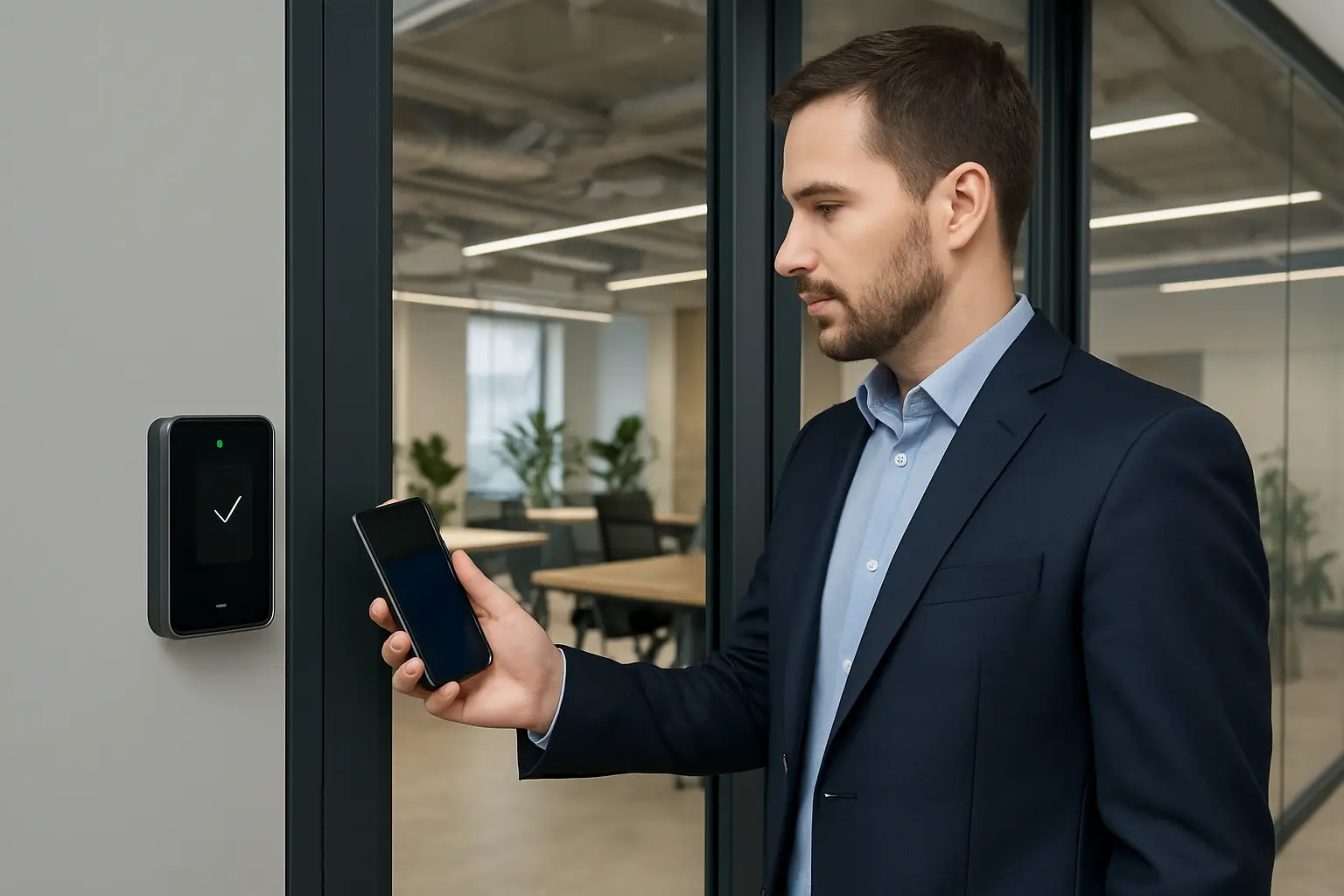
Mobile access (Bluetooth, NFC or cloud‑based apps) reduces physical card management and works well for members who expect touchless entry. Consider failback methods (PIN or mechanical key) for phone loss and ensure credential lifecycle policies so temporary members are automatically revoked.
Key‑fob/card systems and temporary credentials
Card systems are familiar to many operators and can be issued for short terms. They require physical provisioning and secure storage of unassigned cards, plus processes for lost‑card reporting and immediate deactivation.
PIN pads and managed visitor codes
PIN pads are simple for meeting rooms or evening events but less auditable when codes are shared. Use single‑use or time‑limited codes generated by the management system for better control.
Lockers and secure storage integration
Integrating locker access with membership accounts simplifies billing and reduces liability for stored items. Choose lockers that report audits to the access control system for incident correlation.
CCTV strategy for shared workspaces
Camera placement and privacy balance
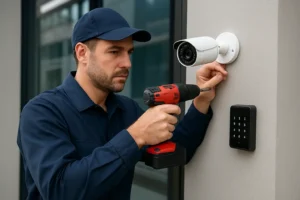
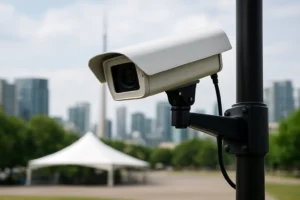
Prioritize cameras in lobbies, entrances, stairwells, corridors, bike rooms and common areas. Avoid cameras in private offices, phone booths and inside closed meeting rooms unless explicit consent and legal review permit it. Use visible placement in public areas for deterrence, and blur or mask areas where private conversations occur.
Evidence quality and storage
Select cameras that meet minimum resolution and low‑light requirements for reliable identification. Decide between on‑site NVR and cloud storage based on retention needs, bandwidth, and administrative control. For many co‑working spaces, hybrid retention (local short‑term plus select cloud export) provides a good compromise between cost and access.
Visitor management and receptionless check‑in workflows
Modern visitor management (VM) systems offer kiosk self‑check‑in, pre‑registration, and delivery handling. Use pre‑registered invites to send QR codes or timed access credentials. For receptionless locations, combine VM with managed access codes and notifications to hosts to maintain a professional experience without sacrificing security.
Intercoms, gates and turnstiles
Intercoms with remote unlock and video provide controlled lobby access for drop‑ins. Turnstiles can improve security in multi‑tenant buildings but may impact flow during busy periods—consider them for larger locations with event traffic.
Network & cybersecurity considerations
Segment CCTV and access control hardware onto their own VLANs with restricted routing to tenant networks. Use strong vendor account controls, enforce firmware updates, and limit remote access through secure VPNs or jump hosts. Regularly rotate service credentials and log administrative actions for audits.
Integration & automation
Integrate access control and VM with booking and membership platforms so keys are issued and revoked automatically when a reservation or subscription changes. Operators with multiple Toronto locations should centralize admin to apply consistent policies and simplify onboarding.
Privacy, legal and landlord considerations for Toronto co‑working spaces
Follow provincial privacy guidance when placing cameras and setting retention policies. Post clear signage in monitored areas and document retention schedules that match legitimate business needs. Review lease language and obtain landlord approvals for exterior devices, gates or cabling that affects common areas.
Operational policies, maintenance and procurement
Define onboarding/offboarding steps, temporary access rules, incident response owners, and monitoring responsibilities. Schedule regular maintenance windows, firmware updates and camera health checks. When procuring, ask vendors about credential lifecycle management, integration APIs, service level options and remote monitoring capabilities.
Budgeting, deployment approach and next steps
Plan phased deployments: secure main entrances and lobbies first, then extend to meeting rooms and lockers. Budget for hardware, cloud storage and integration work separately. Prepare a site survey checklist with floor plans, peak pedestrian flows, existing network diagrams, power availability and lease constraints.
Why work with 360 IT Advanced Security
360 IT Advanced Security helps Toronto co‑working operators design and implement access control, CCTV and visitor management that balance member convenience with operational control. We focus on integration with booking systems, network segmentation, and practical privacy safeguards that align with Ontario rules.
Next steps: schedule a site survey, compile your floor plans and booking platform information, and list any landlord restrictions to prepare for a vendor consultation. Contact 360 IT Advanced Security today to schedule a site survey.
Conclusion
A tailored security plan for co‑working spaces in Toronto must address flexible access, visitor flows, CCTV evidence needs and privacy obligations while integrating with daily operations. By prioritizing phased deployments, vendor integration and clear operational policies, operators can create safer, more reliable shared workplaces without sacrificing the member experience.