
For Toronto and Greater Toronto Area organisations, choosing managed antivirus is about more than blocking malware on individual PCs. A managed antivirus service provides centralized endpoint protection, consistent policy enforcement across offices and remote workers, and ongoing monitoring so IT teams can focus on business priorities. This guide explains what managed antivirus entails, how it differs from consumer products and EDR, and practical steps for selection, deployment and maintenance in commercial environments.
What “managed antivirus” means for Toronto businesses
Managed antivirus combines up-to-date antivirus engines with centralized management, automated updates, threat intelligence feeds and a service level for maintenance and incident handling. Unlike consumer antivirus, managed solutions are deployed and administered across all business endpoints (workstations, laptops and some classes of servers) with policy controls and reporting suitable for IT teams and auditors.
Why Toronto and GTA organisations need managed antivirus
Endpoints remain a primary attack surface in offices, retail locations and mixed-use buildings across the GTA. Managed antivirus is a layer in a defence-in-depth strategy: it reduces the risk of commodity malware, blocks known malicious files, and automates quarantine and remediation. When combined with network controls and endpoint hardening, it helps limit lateral movement and reduces operational impact from routine infections.
Managed Antivirus vs EDR vs Traditional AV
Understanding the differences helps you pick the right mix:
- Traditional AV: Signature-based detection on individual machines; limited central management and slower response to new threats.
- Managed antivirus: Centralized deployment and administration, automated updates, reporting and quarantine handled by a service provider or internal team.
- Endpoint Detection & Response (EDR): Behavioural analytics, threat hunting and detailed incident response for advanced attacks. EDR complements managed antivirus rather than replaces it.
How managed antivirus fits with other 360 IT services
Managed antivirus is one component of a layered security programme. At 360 IT Advanced Security, it is designed to work alongside managed firewall controls, EDR where needed, regular backups and device-specific protections for CCTV/NVR and access-control endpoints. The goal is coordinated protection: firewalls limit external exposure, antivirus covers common endpoint threats, and EDR provides deeper response capabilities for high-risk environments.
Key features to require from a managed antivirus provider
- Centralized management console for policy, updates and alerts
- Automatic signature and engine updates with staged rollout options
- Threat intelligence and timely quarantine/remediation workflows
- Clear reporting and dashboards suitable for IT managers and auditors
- Defined SLA expectations for alerts and escalation
Selection checklist for Toronto buyers
- Compatibility with existing operating systems and legacy applications
- Local support hours and options for on-site response in the GTA
- Data handling and privacy considerations under Ontario rules
- Integration capability with SIEM or monitoring tools already in use
- Ability to protect non-traditional endpoints such as NVRs and access controllers without disrupting operations
Deployment and rollout best practices for commercial environments
Follow a phased approach: perform an initial assessment and inventory, run a pilot group that mirrors the broader environment, then execute a phased rollout. Maintain an endpoint inventory, define exclusion and scanning policies, and coordinate with facilities to schedule any necessary reboots or maintenance windows. Include user awareness communications so staff know how quarantines and prompts are handled.
Maintenance and monitoring
Ongoing tasks include patching antivirus agents, scheduling regular scans, reviewing quarantine items, and conducting periodic policy and effectiveness reviews. Track metrics such as detection count, mean time to remediate and policy compliance across managed endpoints to ensure the service remains effective.
Special considerations for hybrid and IP/OT devices
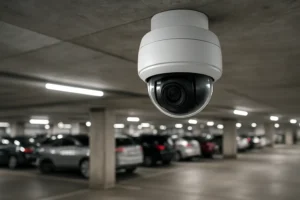
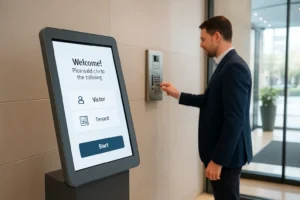
Commercial properties often include hybrid IT and operational technology: CCTV/NVRs, access-control panels and intercom systems. These devices may not run conventional OSes or may be sensitive to resource changes. Managed antivirus should be applied conservatively — where supported — and complemented by hardening, network segmentation and firewall policies that limit device exposure.
Common objections and how to address them
- Performance concerns: Modern agents are lightweight and can be tuned; pilot testing reveals any conflicts before wide deployment.
- Licensing complexity: Centralized management simplifies tracking; vendors can provide reporting for audits.
- Overlap with EDR: Use antivirus for routine threats and EDR for advanced detection and incident response; together they provide comprehensive coverage.
Procurement checklist: questions to ask a managed antivirus vendor
- How are updates and signature rollouts handled?
- What reporting and alerting is included and can it integrate with our SIEM?
- How do you handle quarantined files and false positives?
- What support hours and escalation paths are available for GTA customers?
- Can you protect or safely coexist with IP/OT devices used in our sites?
Managed antivirus is a practical, operationally focused layer in a broader security programme for Toronto businesses. When selected and deployed correctly it reduces common endpoint risk, frees IT teams from routine management, and integrates with firewalls, EDR and backup strategies to improve overall resilience.
Contact 360 IT Advanced Security today to schedule an assessment or demo.
Service areas referenced include managed antivirus, managed firewall, EDR, backup, and securing CCTV/NVR and access-control endpoints.