Automatic license plate recognition is becoming a core capability for commercial sites across Toronto and the GTA. This guide explains how license plate recognition systems Toronto (also called ANPR or LPR) work, why property managers and parking operators choose them, and what to consider when integrating LPR with existing CCTV, NVRs and access control.
What is LPR/ANPR and who in Toronto uses it?
LPR (license plate recognition) or ANPR (automatic number plate recognition) uses specialized cameras and software to capture, read and log vehicle plates. In Toronto and the Greater Toronto Area, typical users include condo and property managers, managed parking operators, retail centres, logistics yards and gated facilities that need automated access, incident evidence or parking enforcement.
Key benefits for Toronto businesses
- Security and investigations: Quickly locate vehicles involved in incidents by searching indexed plate data tied to video clips stored on NVRs.
- Parking automation: Streamline resident and tenant access, transient parking pay systems, and enforcement without manual gate operations.
- Access control integration: Use plate reads to open gates or trigger turnstiles for pre-authorized vehicles, reducing ID card distribution and queues.
- Operational efficiency: Reduce staffing needs for gatehouses and accelerate traffic throughput at busy entrances.
Common commercial use cases in the GTA
Examples include controlled condo parking where tenant plates grant entry, managed lots that validate paid sessions, retail sites using LPR for loss prevention or timed parking, logistic yards tracking arrivals and departures, and gated commercial campuses combining LPR with visitor management.
How LPR works: cameras, mounting and image requirements
Successful LPR deployments depend on camera type, placement, lighting and capture settings.
Camera types and mounting locations
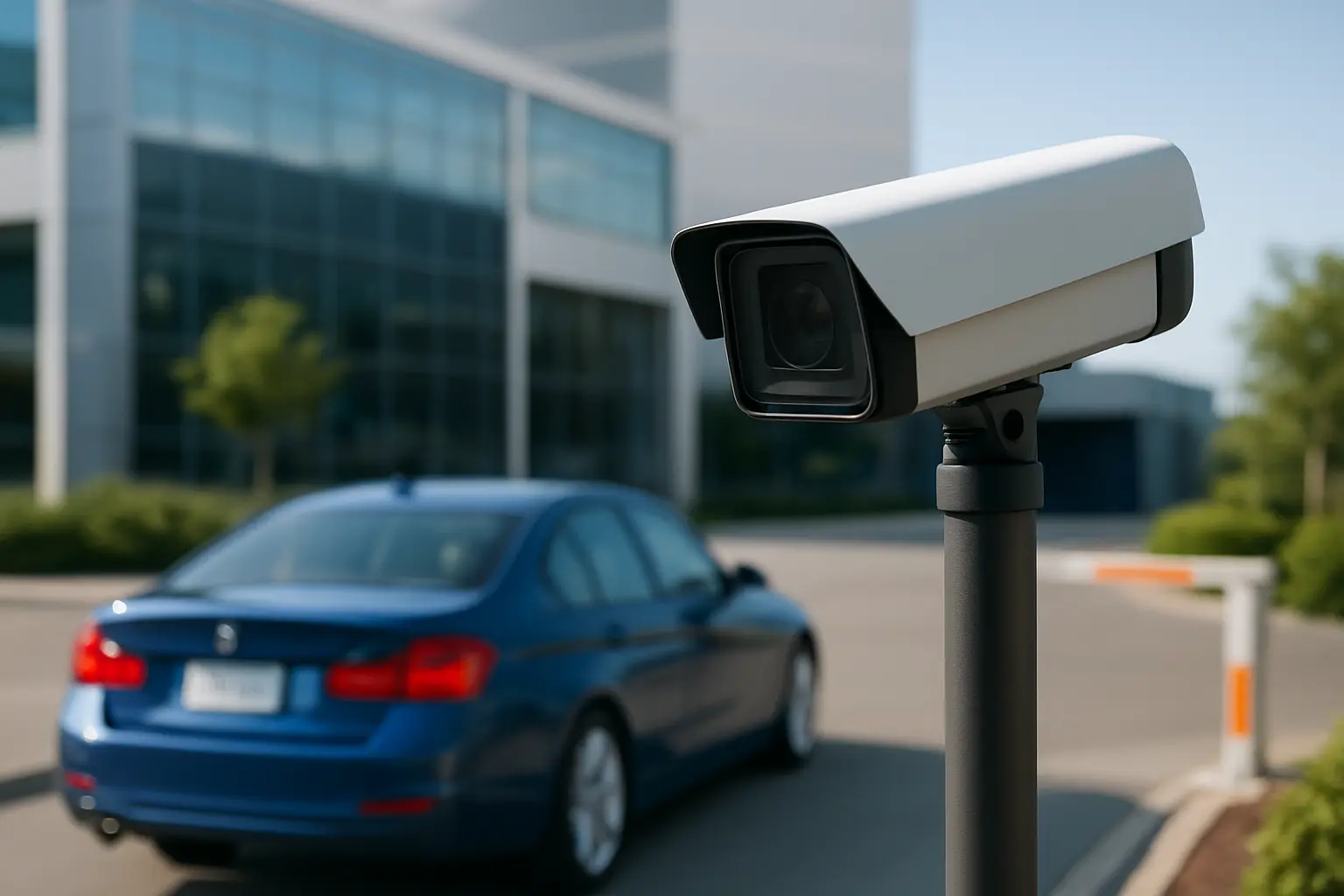
- Fixed LPR cameras aimed at drive lanes and gates to capture frontal or rear plates.
- Elevated poles or gantries for multi-lane approaches.
- Close-range entry lanes where narrow field-of-view models improve plate resolution.
Lighting, resolution and frame rate
Good plate reads require proper illumination (automatic IR for low light), high resolution and appropriate shutter speeds to avoid motion blur. LPR systems typically favour higher pixel density per plate and frame rates that match traffic speed.
NVR, storage and retention considerations
LPR systems generate metadata (plate strings, timestamps, read confidence) alongside video. When planning NVR and storage, account for additional channels dedicated to LPR cameras, indexing for rapid search, and the ability to export short clips tied to a plate read. Design retention according to operational needs and privacy obligations—your provider can help size storage and configure efficient archival and export workflows.
Integration options
Integration extends LPR value beyond detection:
- License plate recognition integration access control: trigger locks, gates or barriers based on whitelist/blacklist rules.
- Visitor and parking payment systems: map plate reads to bookings or paid sessions.
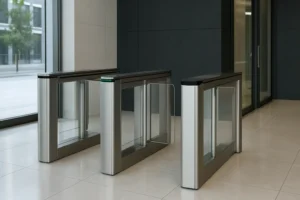
- Turnstile and boom barrier control: conditional release for authorized vehicles.
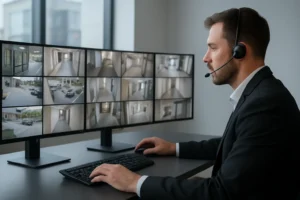
- Cross-referencing with existing CCTV and NVR platforms so plate events link to full video streams.
Cybersecurity and network best practices
LPR systems are networked devices and should follow security best practices: segment the LPR and CCTV networks, use secure remote access (VPN or zero-trust solutions), enforce strong credentials, apply timely firmware updates, and harden NVRs against unauthorized access. Treat plate data as sensitive—limit access and audit system activity.
Privacy and compliance for Toronto/GTA operators
Collecting plate data can engage privacy rules. Practical steps include documenting processing purposes, minimising stored data, enabling retention controls, restricting access, and preparing procedures for data requests. Consult legal or privacy professionals for obligations specific to your site and use case.
Procurement and installation checklist
- Conduct a detailed site survey to map lanes, sightlines and lighting conditions.
- Determine camera count and placement for consistent reads in peak traffic and seasonal conditions.
- Identify integration touchpoints with NVRs, access control panels, gates and payment systems.
- Define testing and acceptance criteria (read rates, capture distance, integration response times).
- Plan for maintenance windows, firmware update schedules and support escalation paths.
Operational considerations and pilot projects
Mitigate false reads by tuning camera angles, refining recognition dictionaries for regional plates, and testing across lighting and weather conditions typical of Toronto winters and summer glare. When evaluating vendors or pilots, ask for on-site demonstrations, sample read logs, integration references, and clear success metrics such as read accuracy and mean time to resolve integration issues.
Why choose 360 IT Advanced Security
360 IT Advanced Security provides integrated CCTV, NVR configuration and access control expertise tailored to Toronto and the GTA. We focus on end-to-end implementations: site surveys, camera and NVR selection, system hardening, and verified integrations with gates and parking systems—delivered with local project management and testing to meet commercial requirements.
To learn how license plate camera installation Toronto projects can improve access, security and parking operations at your property, contact 360 IT Advanced Security to schedule an on-site assessment.
Next steps: arrange a technical site survey to evaluate camera placement, integration scope, cybersecurity needs and pilot criteria.