For Toronto and Greater Toronto Area businesses, security cameras are an important tool for loss prevention, safety and site management. But video surveillance also raises privacy and legal obligations that affect camera placement, recording practices and how long footage is kept. This practical guide explains the legal landscape, high‑risk areas to avoid, technical and administrative controls, and steps you can take to keep a compliant CCTV program.
Short answer: can you use security cameras in the workplace in Ontario?
Yes — businesses in Ontario commonly use CCTV, but you must balance legitimate security and operational purposes with employee and visitor privacy. Whether in retail, property management, or commercial buildings, surveillance must be necessary, proportionate and transparent. For situations with complex legal risks (unionized workplaces, healthcare, or public‑sector sites), seek legal advice tailored to your circumstances.
Which laws and guidance apply?
Canadian and provincial privacy frameworks are relevant:
- Office of the Privacy Commissioner of Canada (OPC) guidance on video surveillance at work explains expectations under federal privacy law.
- PIPEDA applies to private-sector organizations that handle personal information in the course of commercial activities; provincial rules can also apply.
- Information and Privacy Commissioner of Ontario provides resources for provincially regulated public bodies and sector‑specific considerations.
These sources are practical references but not a substitute for legal counsel. Public‑sector employers and regulated health settings have additional obligations.
Areas that require special caution
Certain locations and activities carry a higher expectation of privacy and should generally not be under video surveillance:
- Washrooms, change rooms and other personal spaces
- Employee locker areas and private offices where workers expect privacy
- Areas where personal or sensitive information is routinely handled
Common misconceptions: blind spots are not legal shields — improperly placed cameras that capture private activities can create legal and reputational risk even if you did not intend to record them.
Audio recording vs. video
Audio capture raises additional legal risks and often requires explicit consent. In Canada, intercepting private communications can amount to a criminal offence in some circumstances. If you need audio for evidence, get legal advice first and consider alternatives such as incident reporting or limited, documented disclosure procedures.
Practical compliance checklist for Toronto businesses
- Lawful purpose: Document why cameras are necessary (safety, asset protection, access control).
- Privacy impact assessment (PIA): Assess risks and mitigation measures before installation.
- Minimize capture: Use camera angles and masking to avoid private areas.
- Notice & signage: Post clear signs where surveillance is active.
- Retention limits: Define and enforce a retention schedule consistent with your purposes.
- Access controls: Restrict who can view/download footage and log all access.
- Secure storage & redaction: Encrypt stored footage and redact non‑relevant individuals before disclosure.
Draft CCTV privacy policy elements
At minimum, your CCTV policy should include:
- Purpose statement (why cameras are used)
- Scope (where cameras are located and what is not recorded)
- Retention period and deletion procedures
- Who can access footage and how access is logged
- Process for subject access requests and incident disclosure
Technical measures to support compliance
Camera placement, configuration and storage directly affect compliance. Practical technical steps include:
- Position cameras to capture intended areas only and use physical masking or software blur to exclude sensitive zones.
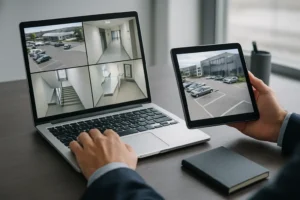
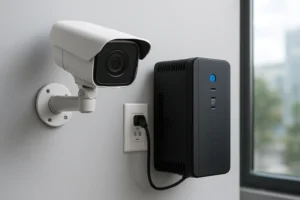
- Use NVR configuration best practices: role‑based access, secure credentials, network segmentation and encrypted storage.
- Enable audit logging so you can trace who accessed footage and when.
- Implement secure retention and automatic deletion to enforce your retention policy.
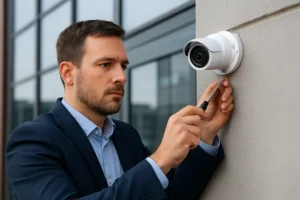
360 IT Advanced Security provides surveillance camera installs, NVR configuration and privacy‑focused security camera audits to help Toronto businesses implement these controls.
Documenting and reviewing your CCTV program
Conduct periodic audits, update PIAs after layout or process changes, and maintain an incident response plan for footage breaches. Train staff who manage cameras on privacy obligations and access protocols.
Common FAQs
Can I record employees after hours? Recording in common areas for legitimate security reasons is possible, but recording private activities or using audio remains risky — document the purpose and retention.
How long should I keep footage? Retention should be the minimum needed to meet your purpose; many businesses keep 14–90 days depending on risk, but check applicable guidance and your PIA.
What if a tenant or employee requests footage? Follow your policy and applicable privacy law; non‑relevant third parties should be redacted and legal counsel may be required for sensitive disclosures.
Next steps
If you’re planning or reviewing CCTV in Toronto or the GTA, start with a privacy‑aware audit to identify capture risks, required policy updates and technical fixes. 360 IT Advanced Security offers camera audits, compliant installations and secure NVR configuration designed for privacy and evidentiary needs. For binding legal advice on specific situations, consult a lawyer experienced in privacy and employment law.
Contact 360 IT Advanced Security for a privacy-focused CCTV audit.
Conclusion: Security cameras are legal in many workplace settings in Ontario when deployed transparently, for legitimate purposes, and accompanied by appropriate administrative and technical controls. Careful planning, documentation and secure configuration reduce legal risk and protect both your business and the people on your premises.