Commercial access control is a security method that manages who can enter a workplace and when they can enter. It protects physical property and sensitive information by replacing standard mechanical keys with digital credentials. Facilities use this approach to keep unauthorised visitors away from private work zones.
How Commercial Access Control Operates
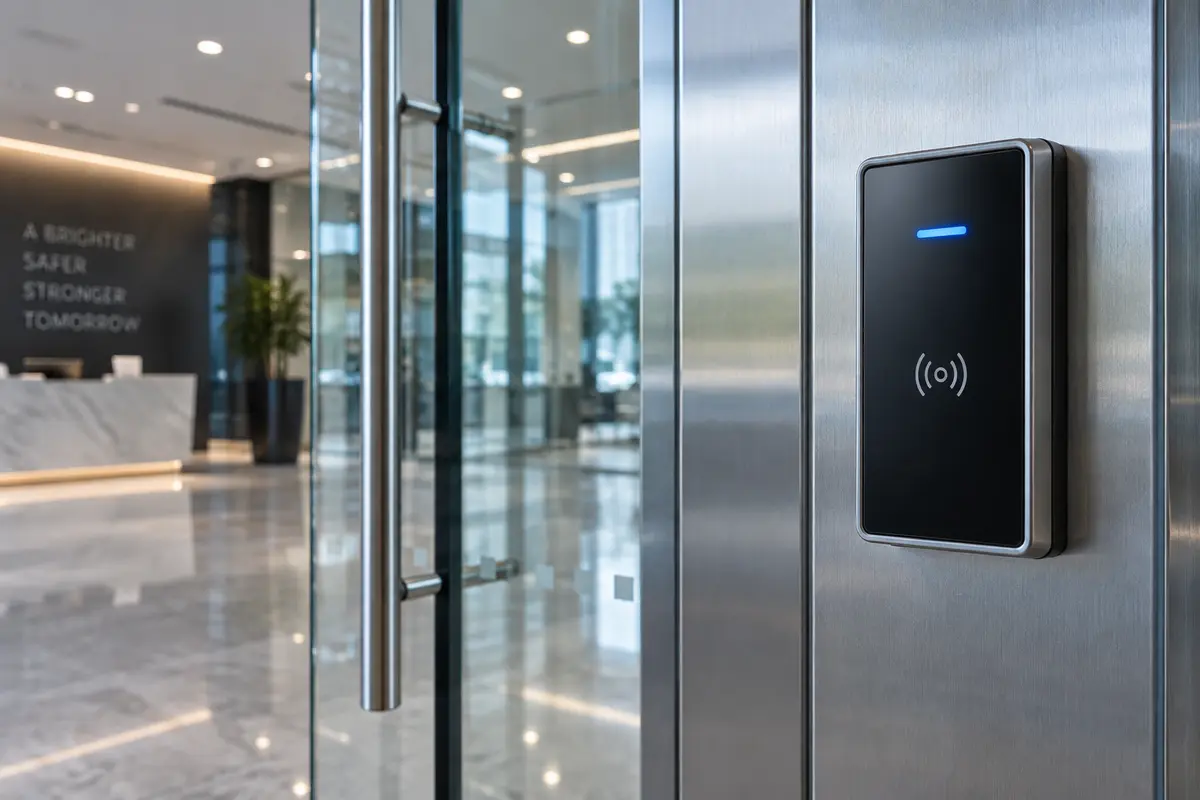
An electronic system checks personal credentials before unlocking a door or barrier. Users present a plastic card, enter a unique code, or scan a smartphone against an electronic reader. The reader sends the identity details to a central controller. If the stored permissions confirm valid entry rights, the lock releases. Every entry attempt creates a digital record that administrators can inspect at any time.
Key Components of Entry Management
Modern security setups rely on several physical and digital parts working together. Physical barriers include electrified door locks, turnstiles, and automated vehicle gates. Identification tools range from keypads and proximity badges to biometric scanners. Software packages allow managers to set access schedules, revoke lost cards, and supervise building doors from a remote console.
Common Facility Mistakes to Avoid
Security weaknesses often occur when administrators fail to update permission records promptly. When staff members leave a company, managers must disable their entry privileges immediately. Leaving exterior doors propped open during warm weather or deliveries bypasses electronic barriers entirely. Sharing cards or allowing unfamiliar visitors to follow staff through open doors also undermines physical safety.
Practical Steps for Facility Upgrades
Begin by walking around the property to identify all entry doors, loading docks, and interior rooms. Mark zones that hold valuable tools, customer records, or critical utility equipment. Determine which workers require daily entry and which rooms need restricted hours. Establish clear rules for lost badges and temporary visitor passes before introducing any new equipment to the building.
Frequently asked questions
Why should a business replace mechanical keys?
Mechanical keys can be copied easily and get lost without notice. Digital systems let managers cancel missing credentials without replacing physical locks.
Can access permissions change based on the time of day?
Yes, administrators can set custom schedules for different doors. Workers can enter during normal shifts while doors remain locked on weekends.
What happens during a power failure?
Most electronic doors connect to backup batteries to maintain security. Emergency exits must release automatically to allow safe evacuation during a crisis.
How should a business handle visiting contractors?
Give contractors temporary digital badges that expire automatically at the end of the shift. Log their presence and restrict their movement to specific work areas.
Summary
Commercial access control protects buildings by managing visitor and employee movements with electronic credentials. Proper maintenance of permissions keeps properties secure.