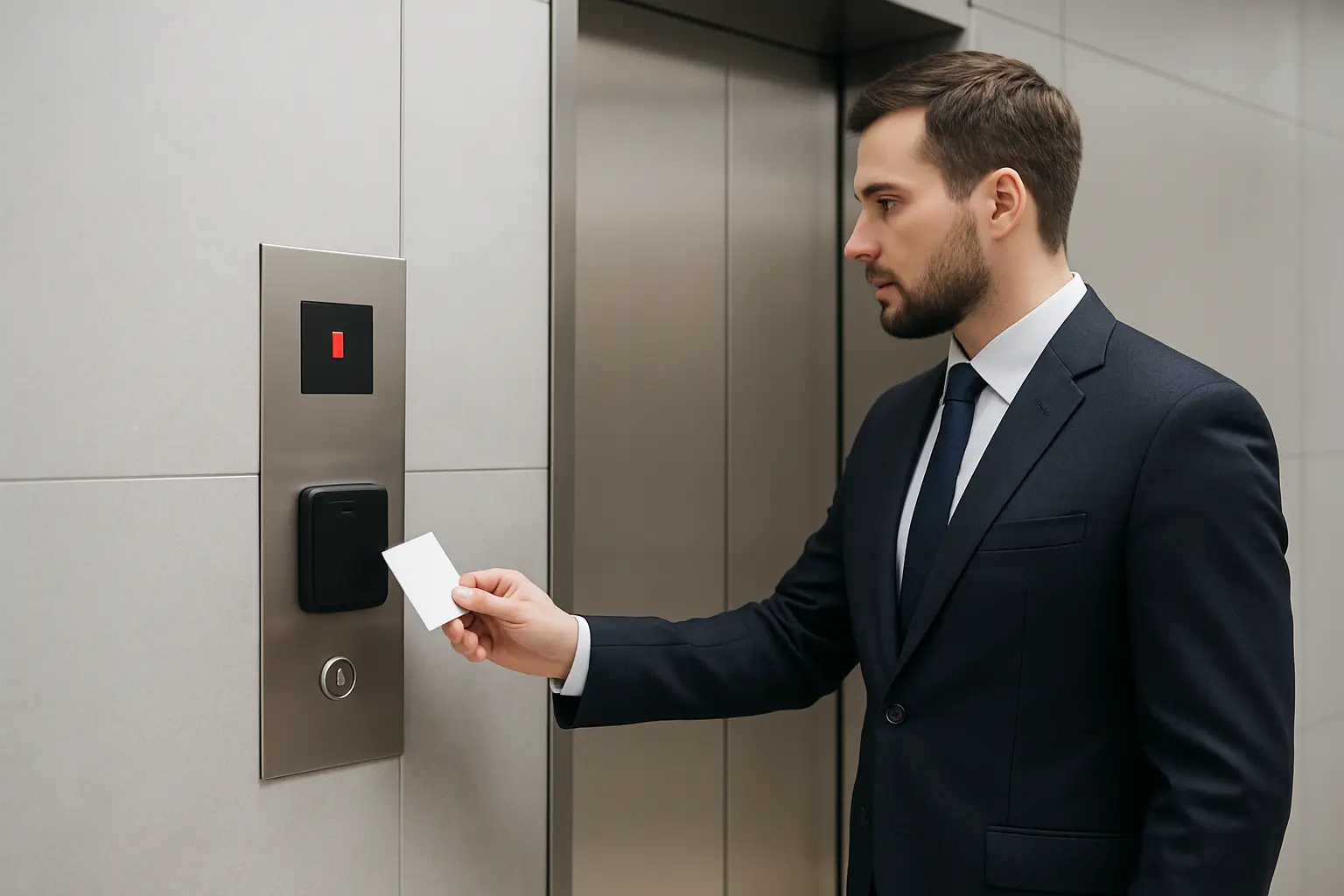
Elevator access control Toronto projects require coordination between property managers, elevator contractors, IT and security teams. Whether you manage a mid‑rise condo, an office tower or a mixed‑use development in the GTA, elevator control affects tenant separation, visitor flows, parking transitions and emergency systems. This guide explains common implementations, hardware and integration choices, building and code considerations in Toronto, and a practical checklist to help you scope and procure the right solution.
Common use cases and benefits
Elevator access control is used to:
- Restrict floor access to authorized tenants, staff or visitors
- Separate residential and commercial zones within the same core
- Route visitors and service personnel to permitted stops only
- Link parking garage access with vertical circulation for seamless flows
Benefits include reduced tailgating risk at elevator landings, simplified visitor routing, better tenant privacy and clearer audit trails when integrated with an access control platform and visitor management system.
Types of elevator access control implementations
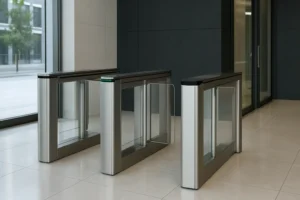
Lobby or turnstile-based credentialing with floor restriction
Common in office towers and multi‑use buildings: credentials are presented at a lobby turnstile or kiosk. After authentication, the system unlocks only the authorized floors for that credential, often via backend commands to the elevator controller.
In-car readers versus landing readers
In‑car readers require credentials inside the elevator cab before a destination can be selected. Landing (hall) readers limit access before boarding. Each has advantages: in‑car readers reduce lobby congestion; landing readers can be paired with access control at the point of entry.
Destination dispatch integration
Destination dispatch systems optimize traffic by assigning elevator calls to groups. Integrating access control with destination dispatch improves efficiency and security—authorized floors are assigned automatically and the user’s destination may be queued only after credential validation.
Zoning and floor grouping for high‑rise buildings
Large towers often use floor zoning where groups of floors are treated as access zones (low, mid, high rise). Zoning reduces the complexity of credentials for tenants while preserving security and elevator efficiency.
Hardware and system components
- Elevator controllers and relay interfaces: Interface modules translate access decisions into permitted call signals and work with existing elevator control logic.
- Readers and credentials: Card readers, key‑fobs, mobile credentials and biometrics can be used depending on policy and privacy constraints.
- Platform integrations: Access control software, visitor management and intercom systems should be integrated for seamless workflows and logging.
Accessibility, fire code and emergency considerations for Toronto/GTA
Elevators must accommodate AODA requirements and coordinate with fire service recall and emergency egress systems. Typical considerations:
- Fire service recall overrides access control to bring cars to a recall floor and prevent unauthorized use during alarms.
- AODA: controls, button heights, audible announcements and clear signage must be planned when adding readers or kiosks.
- Expect to coordinate with licensed elevator contractors and municipal inspectors for permits and inspections—allow time in the schedule for approvals.
Privacy and regulatory notes
Biometrics and credential data are subject to Ontario privacy obligations. Design decisions around storage, retention and access logs should be reviewed with privacy counsel when using biometric options or centralized logging, and policies should be documented for residents and tenants.
Cybersecurity and network best practices
Elevator controllers should be on segmented networks, with strict firewall rules, limited remote access and a patch/update plan. Use secure credentials for vendor access, log changes, and treat firmware updates as part of ongoing maintenance.
Site survey, installation and testing checklist for Toronto properties
- Confirm elevator type, control system vendor and available I/O for interfaces.
- Verify power availability, UPS/backups and cable pathways to elevator machine rooms.
- Coordinate shut‑down windows with building operations and tenants.
- Commissioning tests: fire recall behavior, AODA compliance, fail‑safe/fail‑secure behaviors, and end‑to‑end credential tests.
Procurement and RFP checklist
Ask vendors about their integration experience with elevator manufacturers, sample wiring diagrams, maintenance SLAs, proposed commissioning tests, and procedures for working with municipal inspectors and elevator contractors.
Maintenance, timeline and stakeholders
Typical timelines vary by building complexity—small projects can be weeks; high‑rise integrations often take months due to approvals. Stakeholders include the property manager, elevator vendor, security integrator, IT and condominium or tenant representatives. Maintenance should include periodic access reviews, firmware updates and log retention policies.
Local Toronto/GTA considerations
Plan for peak traffic patterns, condo board approvals where applicable, and municipal permitting timelines. Engage with local elevator contractors early—most Toronto elevator vendors are familiar with fire recall integration but require clear scope and wiring diagrams.
FAQs
Can elevator access be overridden by fire systems? Yes—fire service recall typically overrides access control to prioritize firefighter operation and safe egress.
Do mobile credentials work in elevators? Yes—mobile credentials can be used with compatible readers, but test for signal reliability inside elevator cabs and shafts.
How is temporary visitor access handled? Visitor access is usually handled through visitor management integration or time‑limited credentials that restrict destination floors.
Why choose 360 IT Advanced Security
We provide access control, biometric systems and systems integration for Toronto and the GTA, and coordinate directly with elevator vendors, IT teams and property stakeholders to deliver compliant, tested solutions. Our approach focuses on practical installations that respect AODA and fire code coordination while following cybersecurity best practices.
Ready to evaluate elevator access control for your building? Contact us to schedule a site survey and technical consultation.
Disclaimer: This guide provides practical guidance but does not replace legal, elevator contractor or municipal approvals that may be required for specific projects.